
About Us
Cangyuantu Co., Ltd. is a leading supplier specializing in the R&D, production, sales, and technical services of high-quality chemical products, petrochemical products, basalt fiber products, and fiberglass products. We are committed to providing global customers with premium products at competitive prices, guided by the development philosophy of "Green, Environmental Protection, Quality, and Innovation".
1. Core Product Categories
We cover multiple industrial fields with diversified product lines, meeting the needs of different sectors:
(1)Petrochemical & Energy Products
Focused on high-standard energy and chemical raw materials, our key products include:
Aviation Fuel: Jet A1 (meets international aviation fuel standards, suitable for civil and commercial aircraft).
Diesel: EN590 diesel (with 10 PPM low sulfur content, compliant with strict environmental emission requirements).
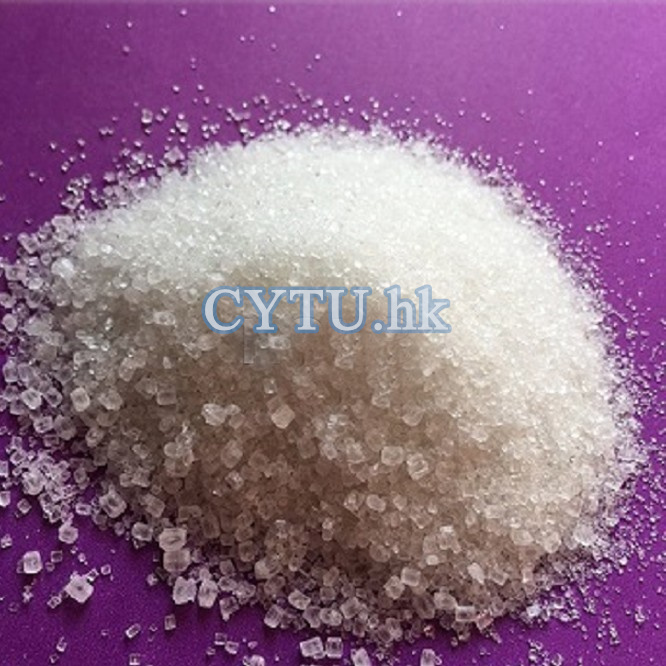
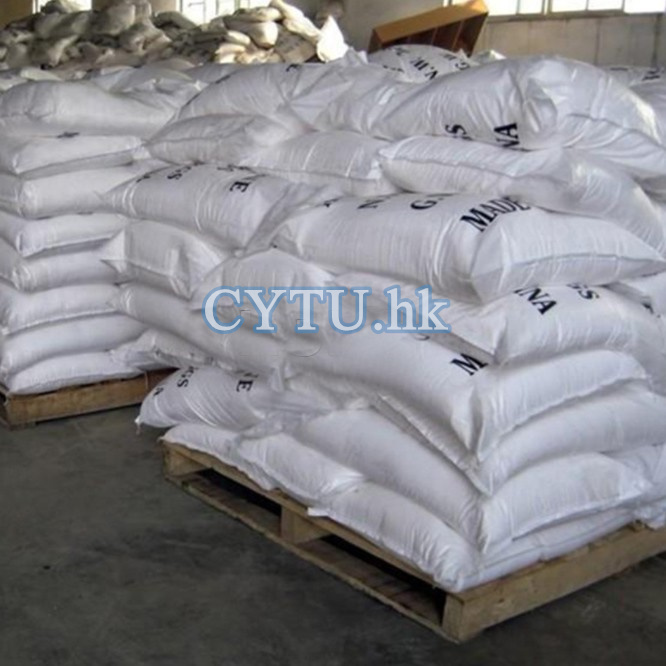
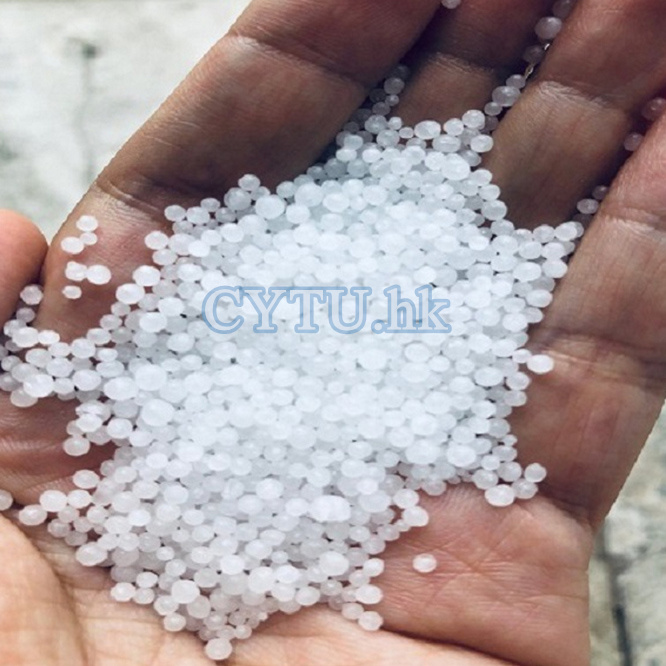
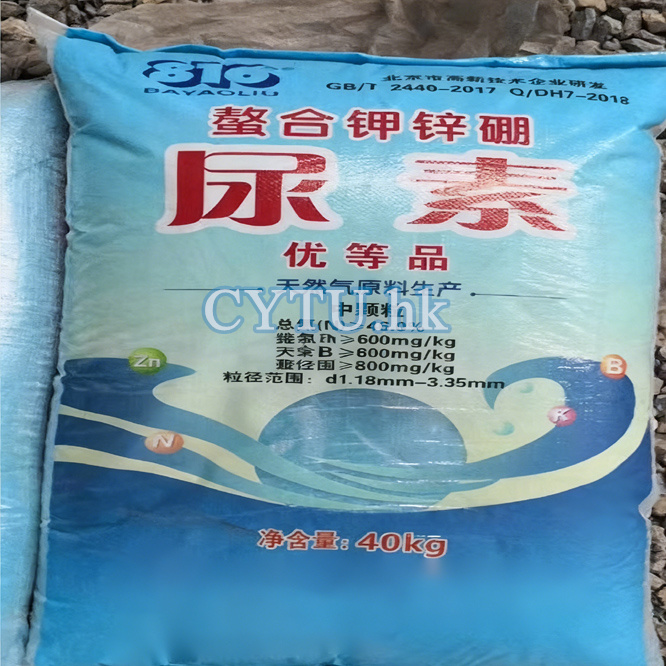
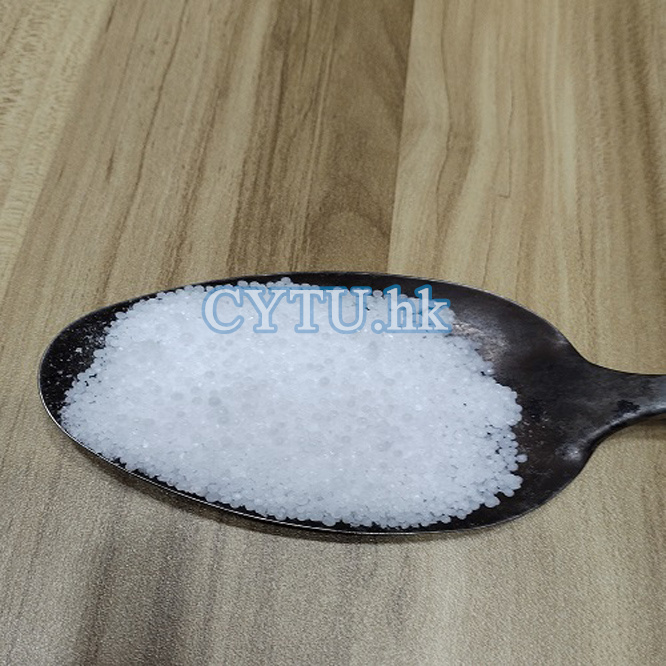
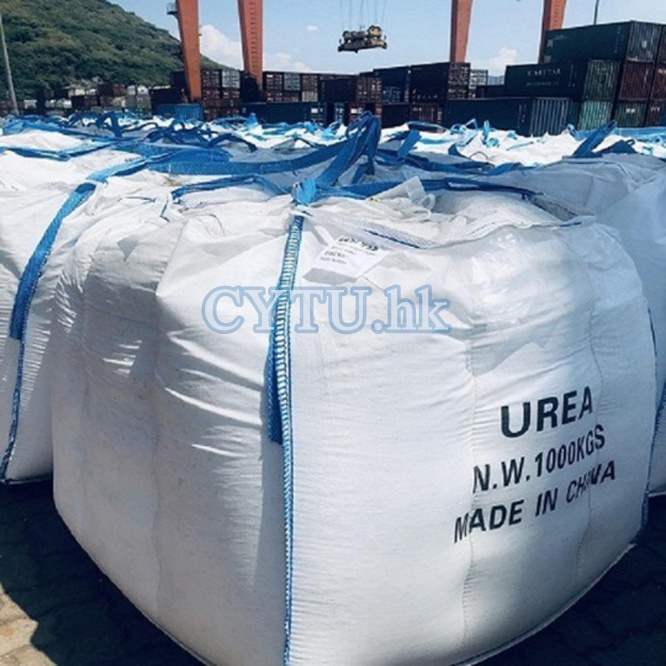
Urea Series: urea (including dimethyl diphenyl urea), as well as agricultural urea (for crop nutrient supplementation) and automotive urea (for vehicle SCR system emission reduction).
(2)Fine Chemical Products
As one of the main producers of phosgene derivatives with the largest phosgene production capacity in the sector, we offer:
Standard phosgene-derived products: Tetramethylurea, salicylonitrile, photoinitiator 1173, TMBI, nitrocellulose, etc.
Customized services: We can develop and produce phosgene derivative products according to customers’ specific technical requirements.
Specialized focus: We are also a professional manufacturer of various photoinitiators, ensuring stable quality for UV curing and related industries.
(3)Basalt Fiber & Fiberglass Products
With a large-scale basalt fiber production base, we integrate R&D, production, and technical support for composite materials:
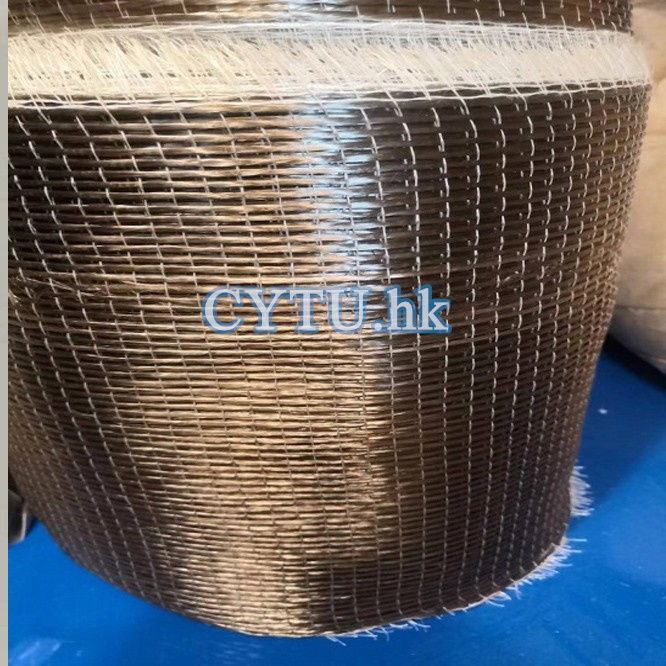
Basalt fiber raw materials: Basalt roving, short basalt fibers.
Processed products: Basalt fiber reinforcements, basalt fiber textiles (for construction, automotive, aerospace, and o
 King's Road, East, Hong Kong Island, China
 English
  中文版
中文版 

Send a Message
We'd love to hear from you if you have any questions!