Welcome to Cangyuantu Co., Ltd.
Infrared lenses are essential optical components renowned for their ability to transmit IR radiation in various applications. With features that provide high transmittance, thermal stability, and custom design options, they serve a diverse range of sectors including healthcare, industrial monitoring, environmental science, and defense. Their role in enhancing visibility and detection capabilities underscores their importance in modern technology. Investing in high-quality infrared lenses ensures superior performance and reliability in applications that depend on precision and clarity in the infrared spectrum.
Definition :
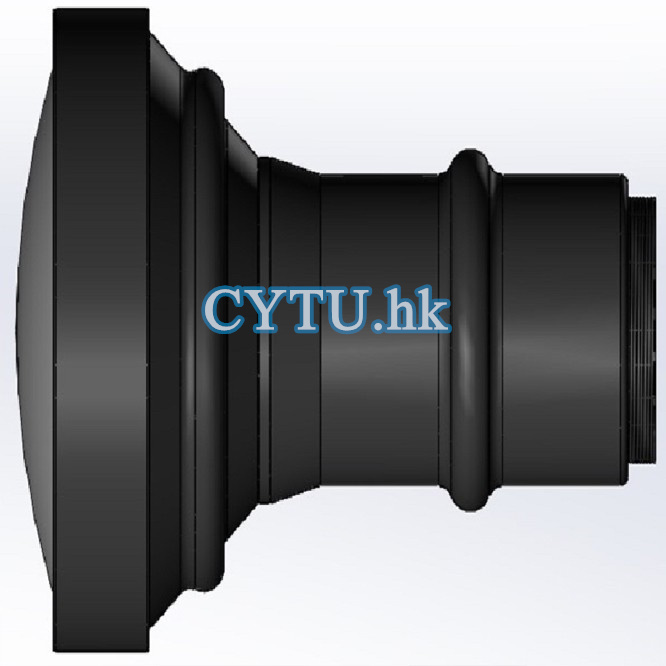
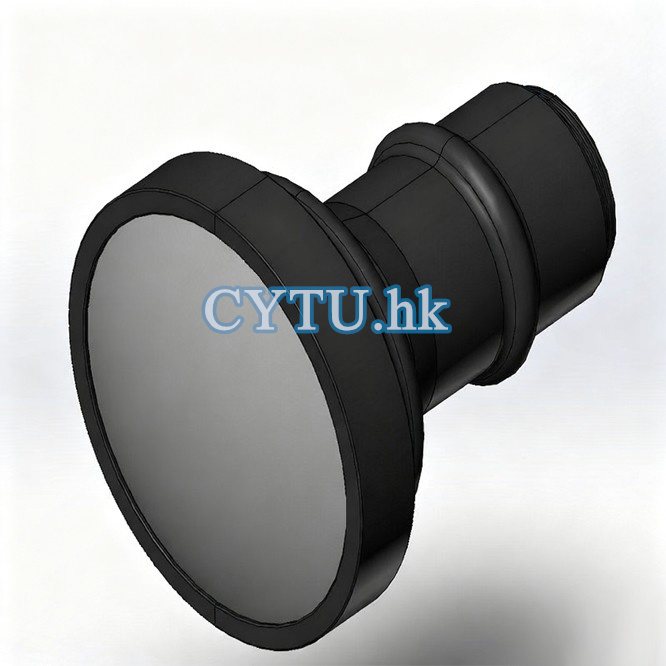
Infrared lenses are optical components specifically designed to receive and focus infrared radiation (commonly known as "infrared light"). They are the "eyes" of infrared imaging systems, functioning similarly to the lens of the human eye or the lens of a regular camera, but the key difference lies in the fact that they are not designed for visible light but are instead used to sense the infrared band that the human eye cannot see, converting the invisible infrared energy into clear images. 1. Basic principle:
Infrared lenses operate based on the principles of geometric optics, but their materials and the way they handle light are fundamentally different from those of visible light lenses.
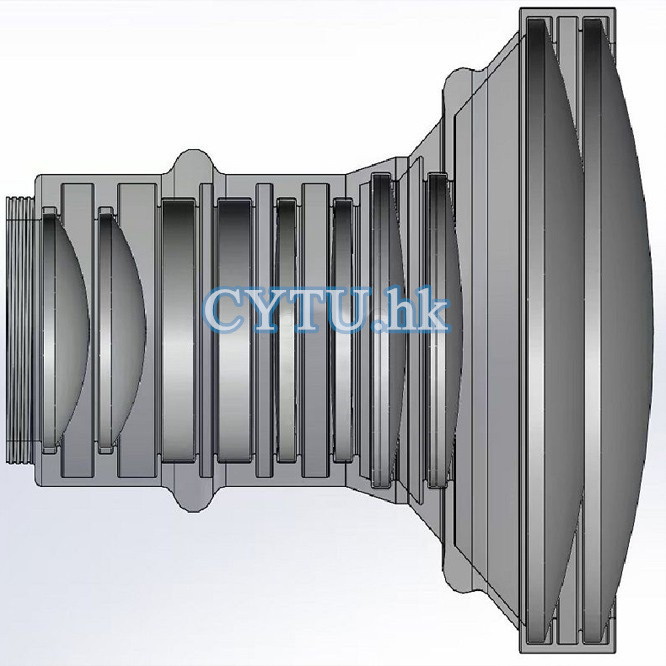
Concentrating infrared energy: Objects either reflect (active infrared) or emit (passive infrared) infrared rays by themselves. The lens precisely focuses these parallel infrared rays through its meticulously designed lens assembly onto the infrared detector located on its focal plane.
Signal Conversion: The detector focuses the infrared energy and converts it into an electrical signal. This signal is then processed through complex algorithms, and finally, a visible image (usually a black-and-white or pseudo-color image representing temperature) is formed on the display.
Key technical features:
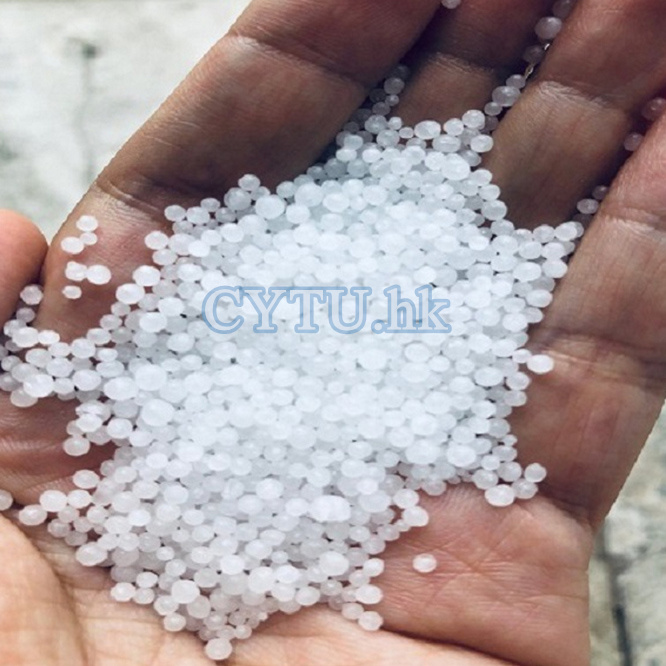
Special optical materials: This is one of the most crucial technologies for infrared lenses. Ordinary glass is almost completely opaque to mid- and wave infrared rays. Therefore, infrared lenses must use special materials that can efficiently transmit infrared light, such as:
Germanium: The most commonly used material, it has an extremely high transmittance for wave infrared radiation in the range of 8-14 μm, but it is expensive and has a brittle and hard texture.
Zinc sulfide, zinc selenide: Often used in multispectral or high-performance lenses.
Sulfide glass: It has a relatively low cost and can be used for mass production.
Silicon: Primarily used for mid-wave infrared with wavelengths ranging from 3 to 5 micrometers.
Calcium fluoride, magnesium fluoride and other crystals.
Application fields
The application of infrared lenses has penetrated into numerous fields such as military, industry, and civilian use.
• Security surveillance: Achieve 24-hour uninterrupted monitoring, used for border patrol, key facility guarding, night law enforcement, etc.
• Industrial inspection:
◦ Predictive Maintenance: Detect overheating hazards of power equipment (such as transformers, distribution boxes).
◦ Quality control: Check the thermal distribution of electronic components, solar panels, building insulation layers for abnormality.
◦ Process monitoring: Monitor the temperature of furnaces, reaction vessels in industrial production.
• Defense and aerospace:
◦ Military: Tank/aircraft sights, missile guidance, individual soldier night vision devices, satellite remote sensing reconnaissance.
◦ Aerospace: Forward-looking infrared systems for aircraft, used for night takeoff, landing and navigation.
• Firefighting and rescue:
◦ Quickly locate the fire source and trapped individuals in thick smoke and darkness to save lives.
• Medical and health:
◦ Temperature screening: Conduct large-scale fever screening in public places.
◦ Medical diagnosis: Assist in diagnosing breast tumors, vascular diseases, inflammation, etc.
• Autonomous driving and automotive electronics:
◦ As an on-board night vision system, it can identify obstacles such as pedestrians and animals earlier than human eyes and visible light cameras in dark, strong glare or foggy conditions.
• Research and consumer electronics:
◦ Used for astronomical observation, material research, and increasingly popular handheld thermal imagers and mobile phone thermal accessories.
Send a Message
We'd love to hear from you if you have any questions!